 This National Cooperative Month, we’re looking back at how electricity transformed rural America, how two local cooperatives became one and why that history still matters today.
In 1930s rural Texas, life after sunset meant kerosene lanterns instead of electric lights, and homes without modern conveniences. While nearby cities enjoyed electricity, rural communities were often left in the dark.
So, how did electricity finally reach those country roads? Through determination, cooperation and neighbors working together to build a brighter future.
When Electricity Wasn’t for Everyone
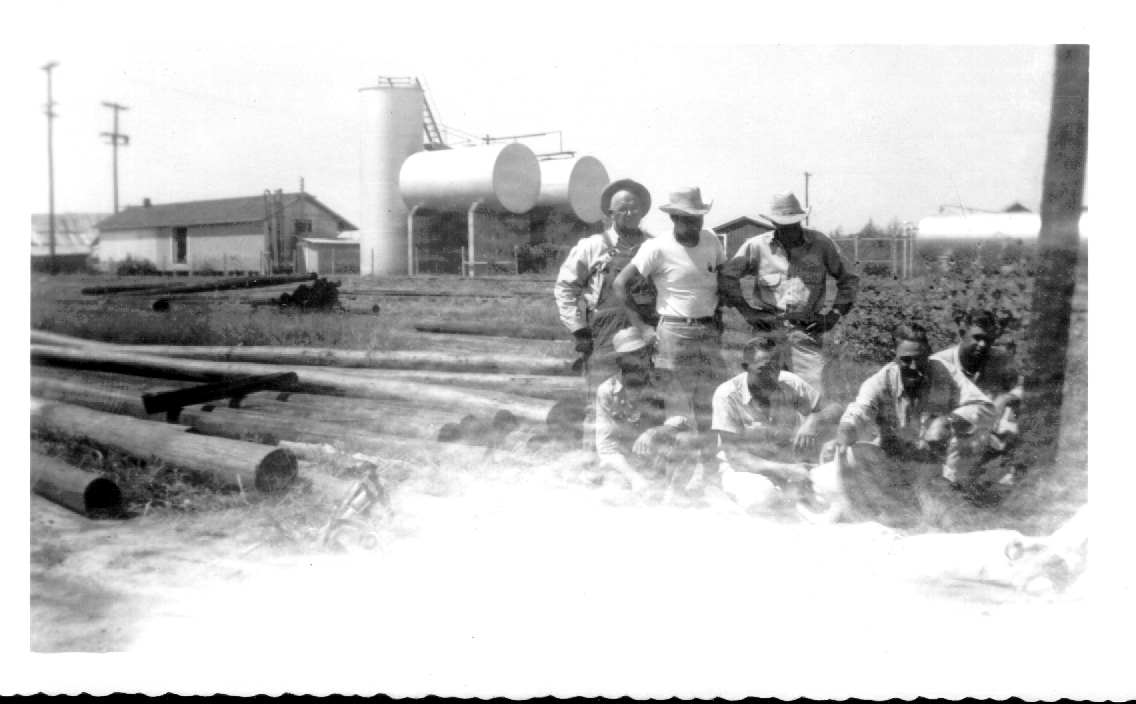
By the 1930s, electricity had transformed American cities, yet nearly 90% of rural homes remained without power. Extending electric lines to sparsely populated areas was costly, leaving rural families without modern conveniences.
In 1935, President Franklin D. Roosevelt established the Rural Electrification Administration (REA), followed by the Rural Electrification Act of 1936, providing financing to bring electricity to underserved communities.
That’s where neighbors stepped in. Rural residents joined together to form member-owned electric cooperatives, pooling resources to bring power to their own communities. Rather than waiting for electricity to arrive, they made it happen. And right here in East Texas, that movement was about to change everything.
1938: A Bright Idea Takes Shape in Kaufman County
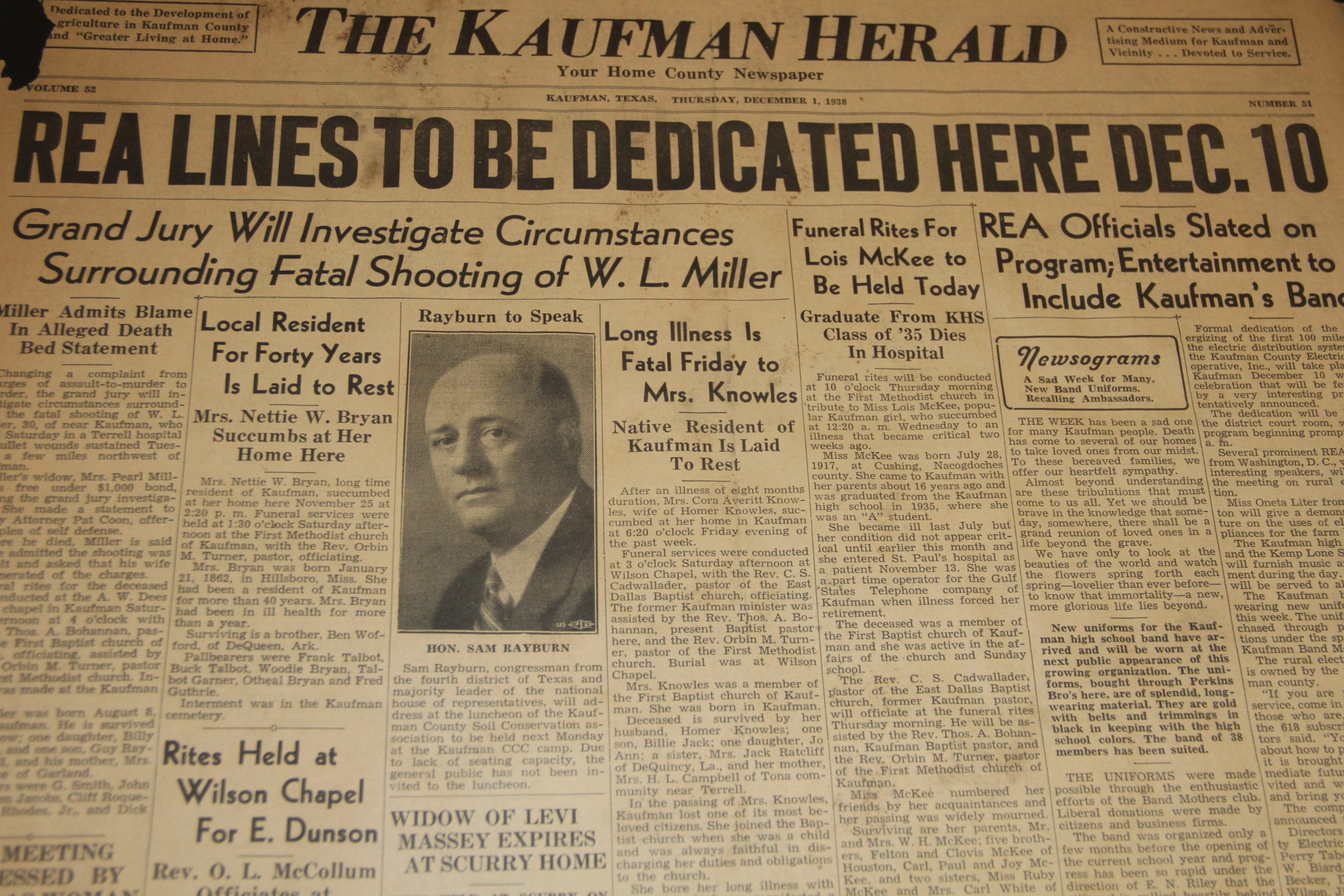
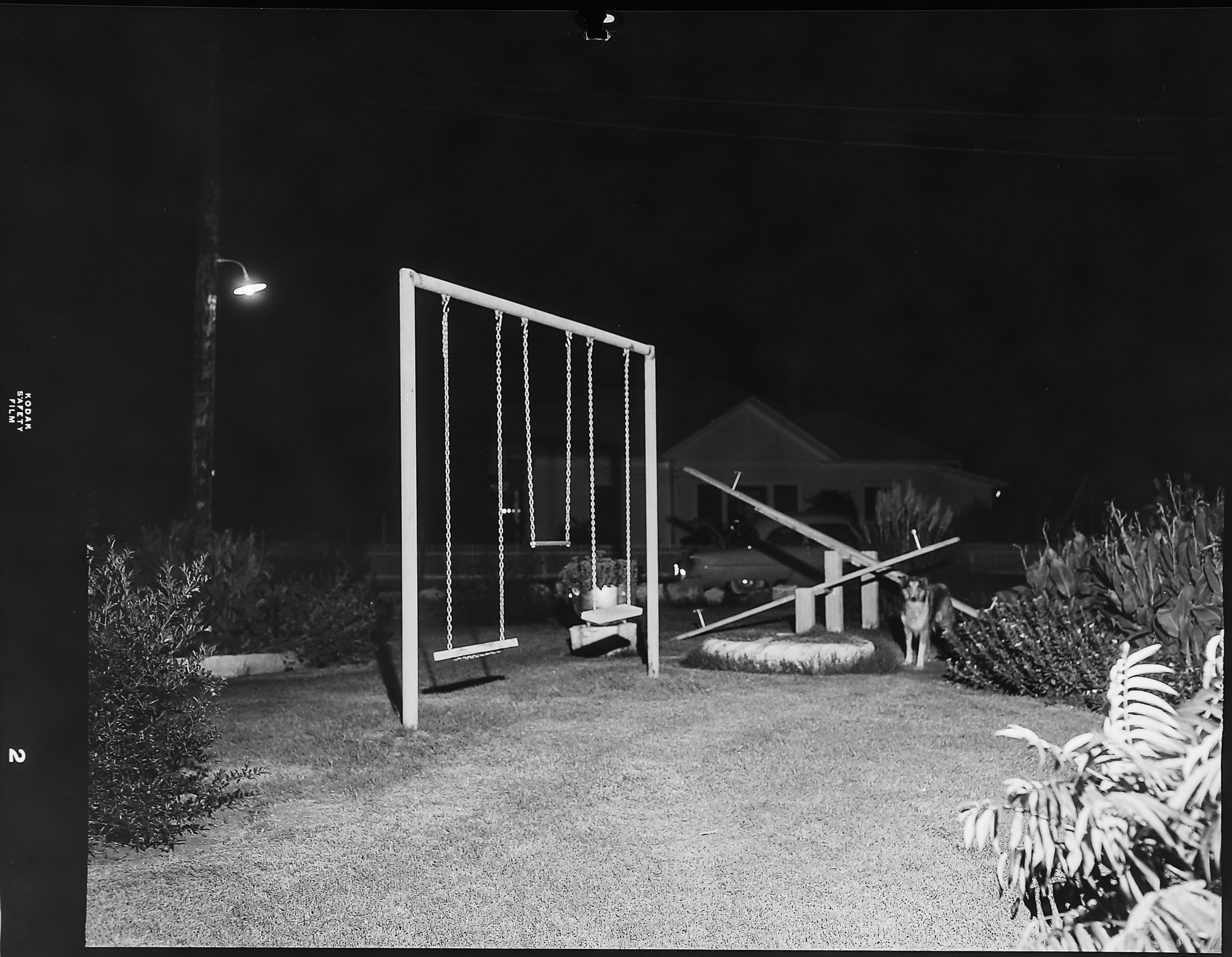
In January 1938, Kaufman County Electric Cooperative (KCEC) was established to bring electricity to rural communities, with members investing just $5 to join. By December, the cooperative had energized its first 100 miles of power lines. Two years later, New Era Electric Cooperative was formed to serve rural families in Henderson County and surrounding areas. Despite material shortages during World War II, both cooperatives continued expanding, united by a mission to bring reliable electricity to the communities they served.
Two Cooperatives. One Shared Future.
In 1997, Kaufman County Electric Cooperative and New Era Electric Cooperative consolidated to form Trinity Valley Electric Cooperative (TVEC), serving approximately 50,000 electric meters. Today, TVEC serves more than 60,000 members across portions of six counties and maintains over 8,000 miles of electric distribution lines. While we’ve grown significantly since those first 100 miles in Kaufman County, the cooperative values that started it all remain at the heart of everything we do.
More Than a Customer. You’re a Member-Owner.
When you receive electricity from TVEC, you’re more than a customer. You’re a member-owner. As a not-for-profit cooperative, TVEC is guided by seven cooperative principles, giving members a voice in how their cooperative operates and putting their needs first. From restoring power after storms to supporting local communities, that cooperative spirit remains strong. Through Operation Round Up alone, participating members have helped provide more than $5 million in grants to local nonprofits since 2013, proving that neighbors helping neighbors still makes a difference.
Nearly 90 Years Later, the Story Continues
From lighting rural farmhouses in 1938 to powering the homes, businesses and communities of today, TVEC has come a long way. While technology and the needs of our members continue to evolve, our commitment to safe, reliable electric service and the cooperative values that started it all remain unchanged.
This National Cooperative Month, we celebrate our history, the members who made it possible and the future we’re building together.
Then. Now. And for generations to come.
Here. For You.