
High School Scholarships
Trinity Valley Electric Cooperative High School Scholarships
The 2026 TVEC scholarships are now open! Apply by March 30, 2026!
We are proud to support high school seniors pursuing higher education, yet another way we’re investing in tomorrow!
When you signed up to receive electric service from TVEC, you became a member of the cooperative. When more revenue is collected than is needed to operate the cooperative, the excess is returned to members as capital credits. When some of these capital credit checks go unclaimed, the State of Texas allows a portion of those funds to be used for scholarships. This helps TVEC support the education of local students and strengthen the communities we serve.
TVEC is proud to support students with big dreams who are planning to continue their education after high school. We know the cost of college or trade school can be challenging, and we want to help qualified students take the next step toward their goals. Please review the scholarship criteria, and reach out to us or visit your child’s school counselor if you have any questions.
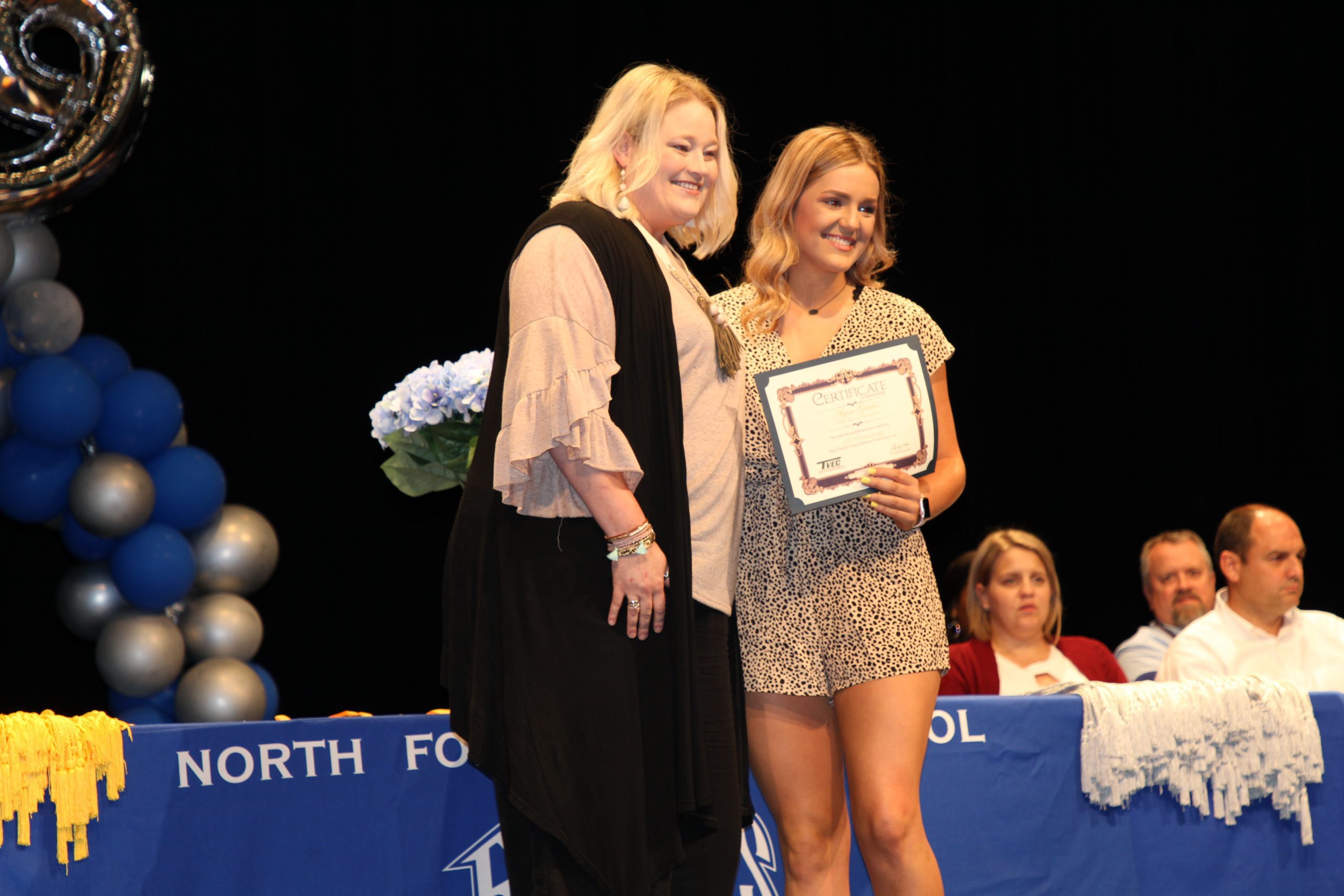
Application Procedures
Applications for 2026 are now open!
Applicants must complete the online form which will include a Proof of Residency, questionairre, and an essay. We will verify residency before sending applications to a scholarship committee for selection.
Public school, private school and home school students may apply.
Applications will close on March 30, 2026 at 5:00 PM.
GUIDELINES FOR
ELIGIBILITY
Recipients must be enrolled in an accredited college or trade school and live with a parent or legal guardian who is a TVEC member receiving service at their primary residence. Proof of residency will be verified.
ESSAY
REQUIREMENTS
All applicants must submit an essay that is not to exceed 500 words. The essay must include the applicant’s name, address, and phone number, followed by the name of the school.
PAYMENT OF
SCHOLARSHIP
Payment for the scholarship will be made by TVEC directly to the institution in which the recipient is enrolled. The recipient is responsible for providing TVEC with proof of registration before payment is released.
SELECTION
PROCESS
Students will be required to submit an essay on a topic assigned by TVEC. The essays will be judged by an independent panel. Scholarships will be awarded to the top-scoring essays.
AMOUNT OF
SCHOLARSHIP
Each district within the TVEC service territory will be alotted $2,000. Private/home school students will be allocated a maximum of $5,000 for all applicants. No individual student can receive more than $1,000.
SCHOLARSHIP
EXPIRATION
Recipients will be awarded scholarship funds by May 31, 2026 and will expire on May 31, 2027. Funds that are not used within this time period will be void.
Frequently Asked Questions
Recipients must be enrolled as a full-time student in an accredited institution of higher learning or a trade school. To qualify as a full-time student, you must be enrolled for the number of hours or courses that the school or institution considers to be full-time attendance.
Yes. Applicants must live with a parent or legal guardian who is a TVEC member and receives electric service from TVEC at their primary residence. Residency and membership will be verified as part of the application process.
Yes. Homeschool students and students who earn a GED are eligible to apply, as long as they meet all other TVEC scholarship requirements, including residency, enrollment in an accredited college or trade school, and application deadlines.
For public school students, counselors will be notified of the recipients. Home/Private school students will be notified individually by Joy Long.
Scholarship funds are paid directly to the college, university, or trade school the recipient attends. Before payment is issued, students must provide proof of enrollment from the institution.
All scholarship funds must be claimed by May 31, 2027. If a student does not claim the scholarship by this date, they will therefore forfeit their right to the scholarship.
In 2025, $44,000 was awarded to 75 students from 27 area schools (including home & private school.) A full list can be found on our Facebook page.
No. All scholarship applications must be submitted online through the 2026 online form.
Contact Joy Long at jlong@tvec.coop or call 469-652-6252, if you have any questions.
Please reach out to Leigh Denney for questions about the online form at denney@tvec.coop.
TREWA Scholarships
The Texas Rural Electric Women’s Association (TREWA) is offering 20 scholarships valued at $1,000 each to TREWA members and their children. TREWA supports electric cooperative families across Texas by encouraging education and leadership, and these scholarships help students continue their studies at a college, university, or technical or trade school. Applicants must be current TREWA members, but you can join at the same time you submit a scholarship application. Membership is simple and affordable. Annual dues are only $10, and your membership also supports TREWA’s mission of promoting community involvement and youth education.
To be eligible, applicants must also be a current member of Trinity Valley Electric Cooperative. Scholarships are open to graduating high school seniors, college students, or adults enrolled full time in an accredited program. Selection is based on leadership, community involvement, goals, and a short essay. This is a meaningful opportunity to support education while also becoming part of an organization that champions Texas rural electric families.
Applications for 2026 are now closed. You can learn more information by visiting the website.